Just like December temperature variations, our local real estate market continues to feel up and down. Interest rates, regional economic conditions and seasonal market shifts have meant rising home prices in some areas and drops in others. While the expected winter slowdown means overall lower inventory, buyers are still willing to compete for plum properties in a diminishing pool of available listings.
A slight decrease in interest rates has raised cautious optimism in our region. Interest rates fell to around 7.2% as of December 1, compared to 7.8% in October. A continued trend in this direction could signal some welcome positivity in the market as we move into the new year.
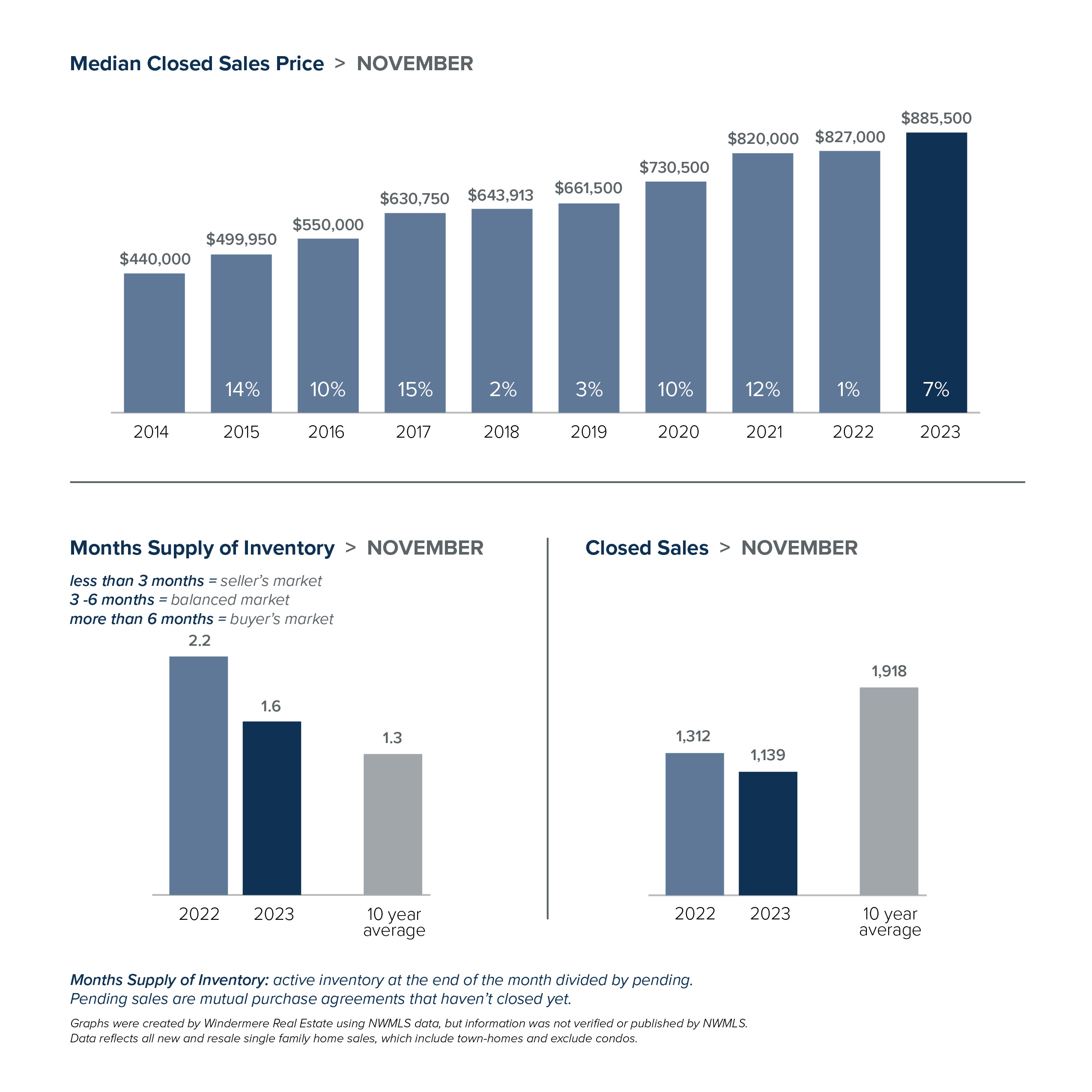
In King County, the expected decline in winter inventory is pushing up year-end home prices. The region saw a 7% year-over-year increase in the median residential sold price, from $827,000 in November 2022 to $885,500 last month. Buyers are still showing up: there’s steady demand and potential competition for each available home that’s in good condition and well-priced. King County condos also saw a year-over-year price increase, with the median sold price up 4% in November to $485,000.
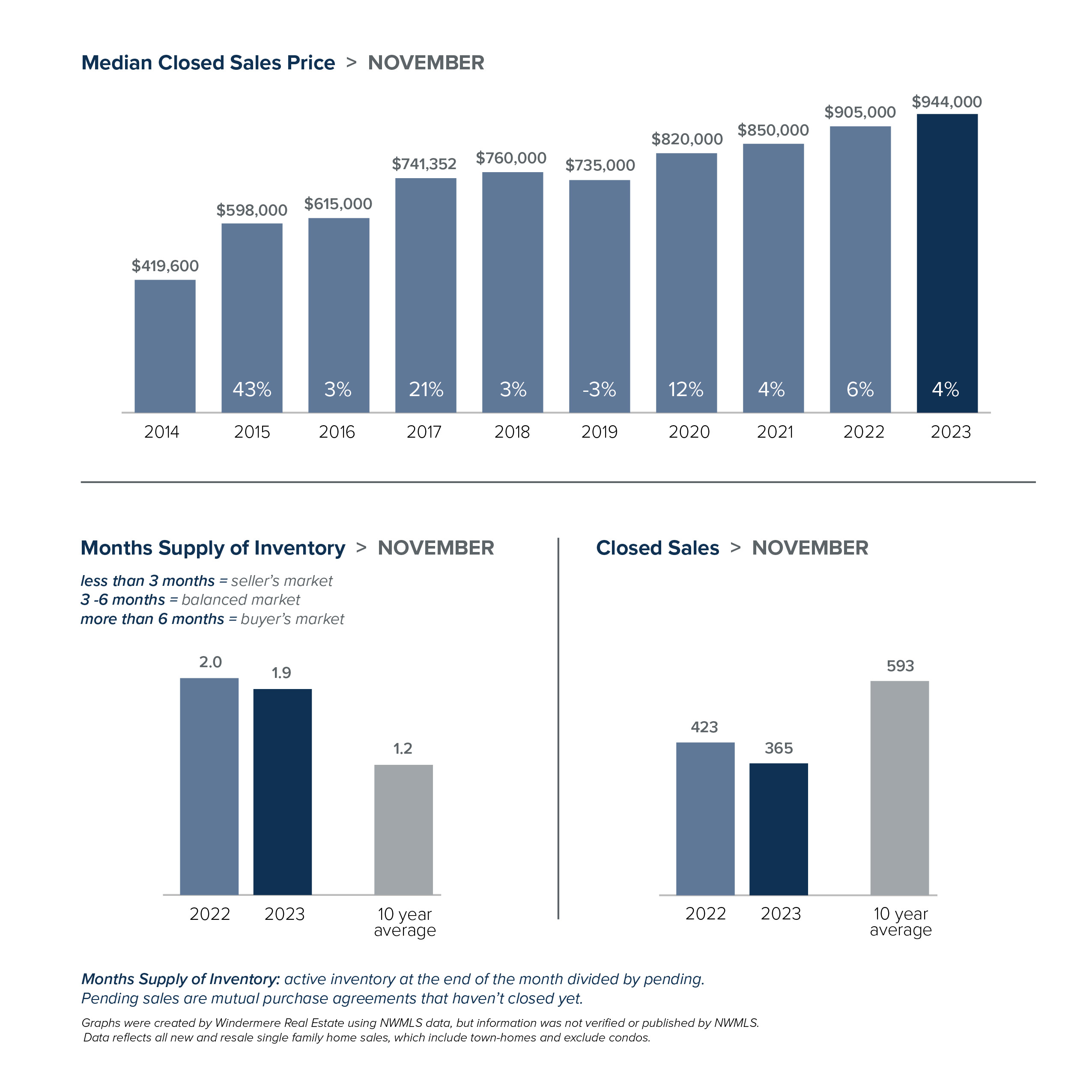
Seattle saw a 5% increase in the median sold price of a single-family home, up from October’s $900,000 to $944,000 last month. The market kept some momentum in November, with 48% of Seattle homes selling at or above asking price and 79% going under contract in 30 days or less. Condo prices saw a 21% year-over-year jump, from $480,500 in November 2022 to $582,750 last month. This price growth flew in the face of significant supply, at 3.4 months of inventory.
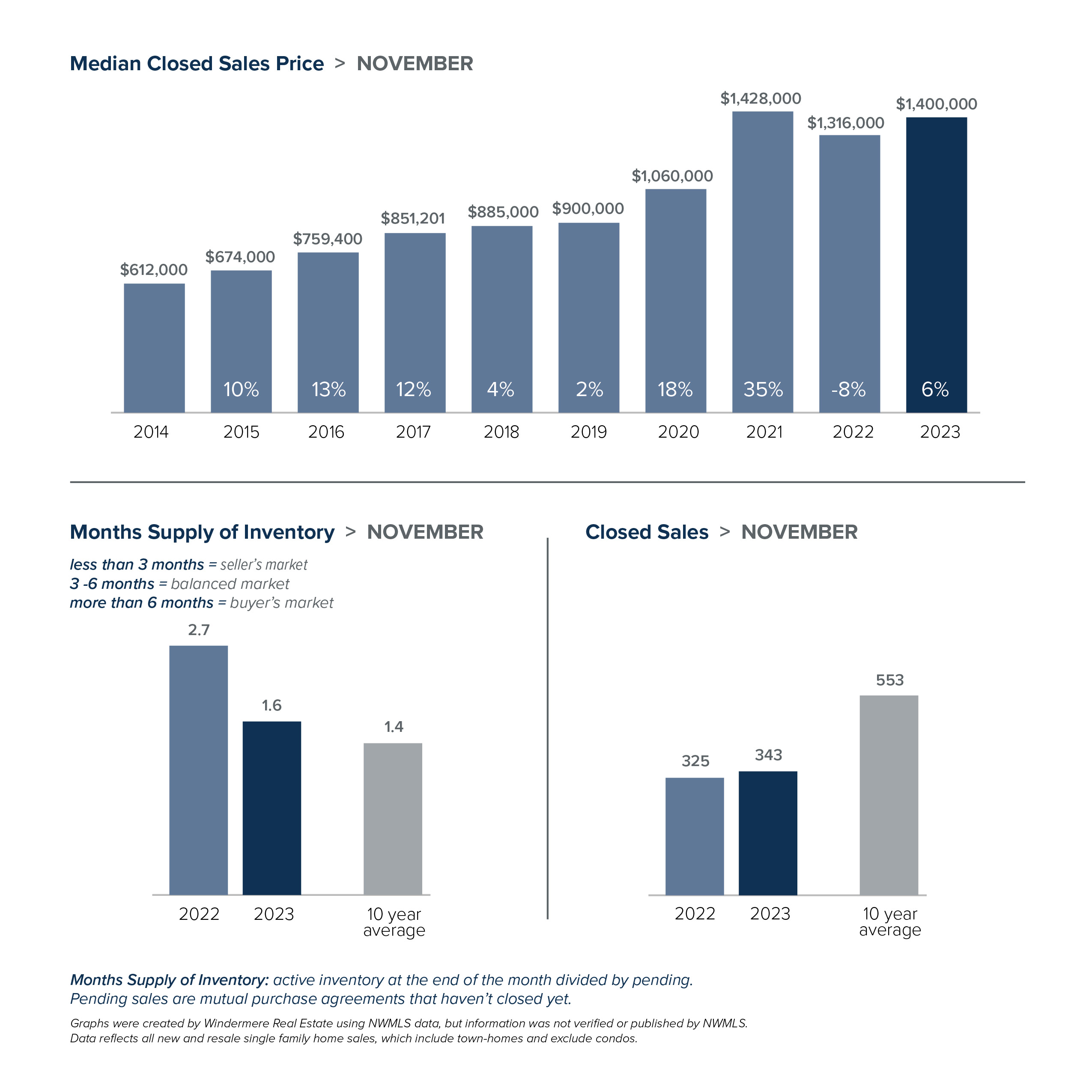
The Eastside median residential sold price experienced a modest decline in November, down 1% from October’s $1,420,000 to $1,400,000 last month. However, the November price was still up 6% from November 2022, while 75% of sold listings went under contract in 30 days or less. Residential inventory remained fairly flat on the Eastside, increasing slightly from 1.5 months in October to 1.6 months in November. Eastside condo prices increased last month, with a median sold price of $620,000, up from $569,500 in November 2022.
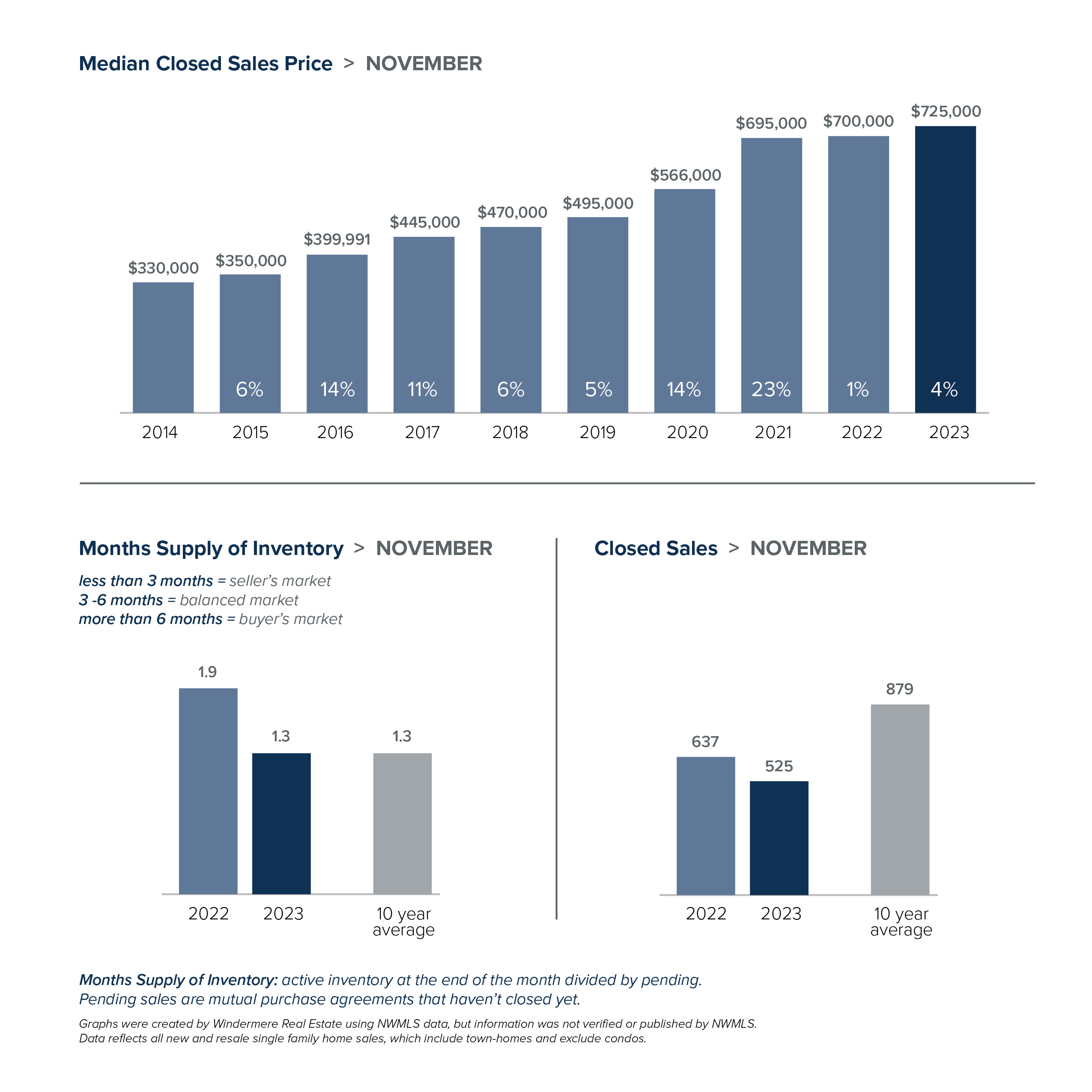
Snohomish County saw a year-over-year bump in prices last month. The median sold price for a single-family home rose from $700,000 last November to $725,000 this November. Supply stood at just 1.3 months at the end of the month, down 32% from this time last year. Condo prices also rose, from $507,500 in November 2022 to $521,209 last month.
As winter unfolds, it’s crucial for buyers and sellers to work with a knowledgeable broker to navigate this churning real estate market. Together you can create a strategy that best supports your real estate goals for the new year.
Fixing your appliances yourself offers a dual benefit: It’s both economically advantageous and personally satisfying. Taking on these tasks can significantly extend the lifespan of your household gadgets, reducing the need for costly replacements. However, the importance of being well-informed and cautious cannot be overstated. Approaching your repairs with the right knowledge and care is crucial for success. In this article from the Kari Haas Real Estate Team, we’ll delve into a comprehensive seven-step guide to ensure your DIY appliance repairs are efficient, safe, and cost-effective.
Taking Safety Measures
Before attempting any repair, it’s crucial to disconnect the appliance from its power source or shut off the circuit breaker. This step is essential in preventing the risk of electrical shock or other potential hazards. Your safety is the top priority when tackling DIY repairs. Failing to take proper precautions can lead to serious injuries, so never neglect this vital step.
Diagnosing the Issue
Don’t start unscrewing parts until you’ve properly identified the problem. Check your appliance’s user guide or seek advice from credible online resources to understand the nature of the malfunction. Correctly pinpointing the issue will help you determine if it’s something you can handle, or if professional intervention is needed.
Tapping into the Internet
The internet is a treasure trove of wisdom for DIY repairs. Websites specializing in appliance fixes, instructional YouTube videos, and online forums can offer expert advice and helpful walkthroughs. These platforms are often frequented by seasoned DIYers who share their knowledge and tips for successful fixes.
Ensuring You’re Using Quality Tools
Having the right tools is crucial for any DIY repair. At the very least, ensure you have a quality set of screwdrivers, adjustable wrenches, a multimeter, and a socket set. These basic tools are versatile enough to handle many common repair jobs. Investing in good-quality tools will not only make the repair process easier but also more efficient.
Finding Specialized Components
When your DIY appliance fix calls for new parts, choose a supplier who stocks a wide range of quality components. For example, you may need a specialized item like a peripheral driver, which ensures seamless functionality by enabling the communication and control between the main processing unit and external devices. Find a supplier who has real-time inventory from dependable manufacturers around the world. This will not only save you time but also ensures that you are getting parts that will last.
Staying Organized and Documenting Steps
Patience and organization can be the determining factors between a successful repair and a botched job. As you dismantle your appliance, document each step either by taking pictures or jotting down notes. This will greatly assist you when it’s time to put everything back together and can prevent the unfortunate occurrence of “leftover” parts.
Knowing When to Call a Professional
A thorough assessment of how complicated the issue is can save you a lot of time and potential frustration. While some fixes are generally safe for you to take on yourself, more intricate repairs may necessitate the assistance of a certified technician. Reaching out to a professional may be necessary if you lack the necessary expertise to avoid causing further damage to the appliance.
Being your own appliance repair technician can be a fulfilling and money-saving experience. Adhering to these key principles of ensuring safety, evaluating repair complexity, correctly identifying issues, gathering the appropriate tools, making use of available online resources, selecting high-quality components, and maintaining an organized approach will greatly enhance your DIY repair capabilities. By implementing these vital strategies, you are setting yourself up for success in your DIY appliance fixes.
Discover the exceptional service and expertise of the Kari Haas Real Estate Team. Let us help you sell your house and find your home.
Everyone wants an accident-free Halloween in the neighborhood, so these few tips will ensure the local kids have a scary and super-fun night.
Clear Paths Before the little ghouls and goblins start their quest for treats, take a stroll around your front yard. Remove any lurking garden tools or toys that might pose a tripping hazard. A clear path sets the stage for a safe and enjoyable Halloween adventure.
Light It Up Illuminate the night by turning on your exterior lights, especially if you have outlined your garden path with spooky lighting. Well-lit pathways not only enhance the Halloween atmosphere but also contribute to the safety of the trick-or-treaters navigating through the neighborhood.
Flame-Free Decor While crafting your haunted house masterpiece, consider using flame-free decorations. Opt for LED lights, paper lanterns, or other non-flammable materials to create a chilling ambiance without the risk of fire hazards.
Cable Danger If your Halloween setup requires electricity, be mindful of extension cords and cables. Ensure that they are safely tucked away from the paths where trick-or-treaters will be wandering. No one wants a spooky surprise of tripping over cords in the dark.
Sweet Treats with a Twist Join the “treat brigade” by offering candy in reflective bags or opting for reflective gifts. This small touch not only adds a festive flair but also enhances the visibility of the little ones as they move through the neighborhood. Safety can be stylish, too!
Allergies Matter In the spirit of inclusivity, be mindful of allergies when assembling your stash of treats. Avoid including nuts or chocolates with nut content to ensure that all trick-or-treaters can enjoy their Halloween goodies without any concerns.
Check the Candy Stash Before the doorbell starts chiming, take a moment to inspect your candy stash. Discard any treats with slightly opened wrappers, and ensure that everything is safe and edible. A little precaution goes a long way in providing a worry-free Halloween experience.
Be Blunt with Props Transforming your home into a haunted haven often involves props like swords and wands. Prioritize safety by ensuring that these items are soft and pose no harm to curious trick-or-treaters. A spooky atmosphere should be thrilling, not dangerous.
Brief the Neighbors Whether you’re planning an epic Halloween bash or prefer a quieter night, a friendly heads-up to the neighbors is always a good idea. Share your plans for the night, so everyone is on the same page and can enjoy Halloween in their preferred way.
This Halloween, let’s make a commitment to create a safe and spooktacular environment for trick-or-treaters. By implementing these tips, homeowners can contribute to a community where Halloween is not only frightful but also full of fun and laughter. Together, let’s ensure that every ghost, witch, and superhero can enjoy a memorable and safe Halloween night!
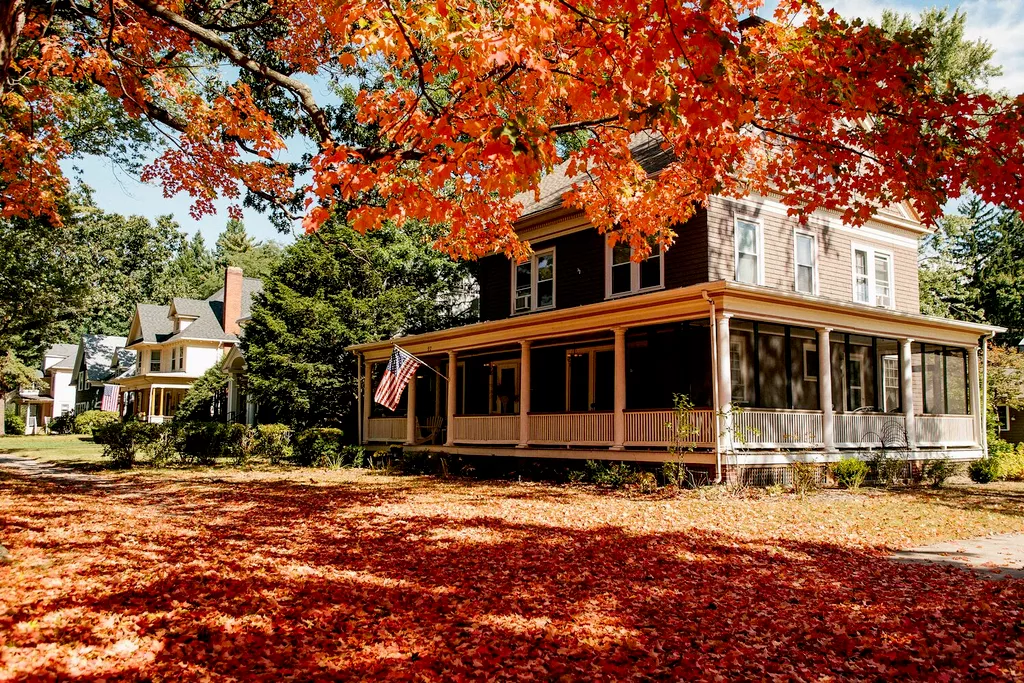
As the seasons change, it’s important to stay on top of your home maintenance checklist — especially during the fall.
During this time of year, the cooler temperatures and harsh fall weather can do a number on your home. But with some preparation (and professional assistance), you can keep your home warm, cozy, and safe.
Use these fall home maintenance tips to keep your home in great shape this season and beyond.
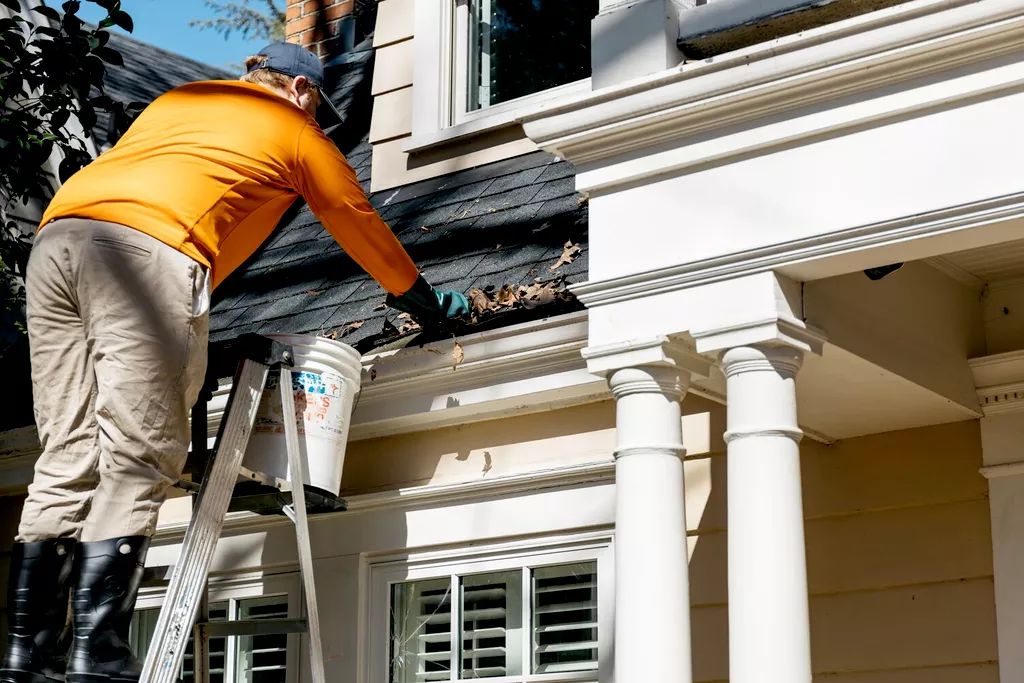
1. Clean out your gutters.
What to do:
Remove all leaves and debris from your gutters and downspouts.
Check all gutters, covers and downspouts for damage, especially after a strong winter storm.
Address major repairs or replace your gutters (if needed).
Neglecting your gutters could cause them to collapse from too much debris. It could also lead to water damage, roof damage, ice dams, pest problems and other issues.
2. Get your heating and cooling system serviced.
What to do:
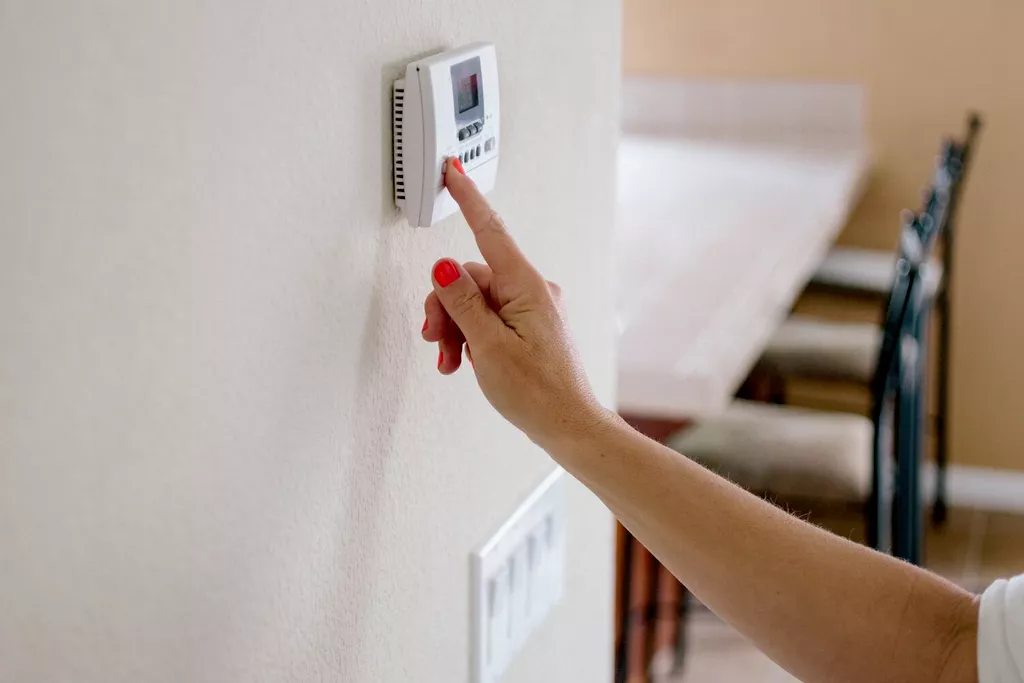
Test out your heating system in the fall before colder, freezing temperatures hit.
Check your HVAC and furnace filters every other month. Change them as necessary.
Clean out your ventilation system for improved air quality.
Schedule any necessary repairs.
The best time to get your HVAC system serviced is in the fall before extreme cold weather hits, says Sacco. If you wait until your heating system fails in the winter, you could be stuck with a larger repair bill.
3. Inspect your roof.
What to do:
Look for missing shingles and damage, such as cracking, splitting and curling.
Check for noticeable signs of moss, mildew and algae.
Check all flashing and seals around the vents, skylights and other areas of the roof where items are protruding.
Hire a roofer to complete a roof inspection, especially if you haven’t scheduled an annual visit yet.
Your roof is one of your first lines of defense against fall and winter weather. Severe damage to your roof could put the entire home at risk. For example, a hole in your roof could lead to leaks, which could cause water damage and mold growth.
Neglecting your roof could also get expensive down the line. For example, you may need to shell out money to fix electrical issues, rotted wood and excessive mold. If the damage is too severe, you could end up paying for a whole new roofing system.
4. Get your chimney cleaned.
What to do:
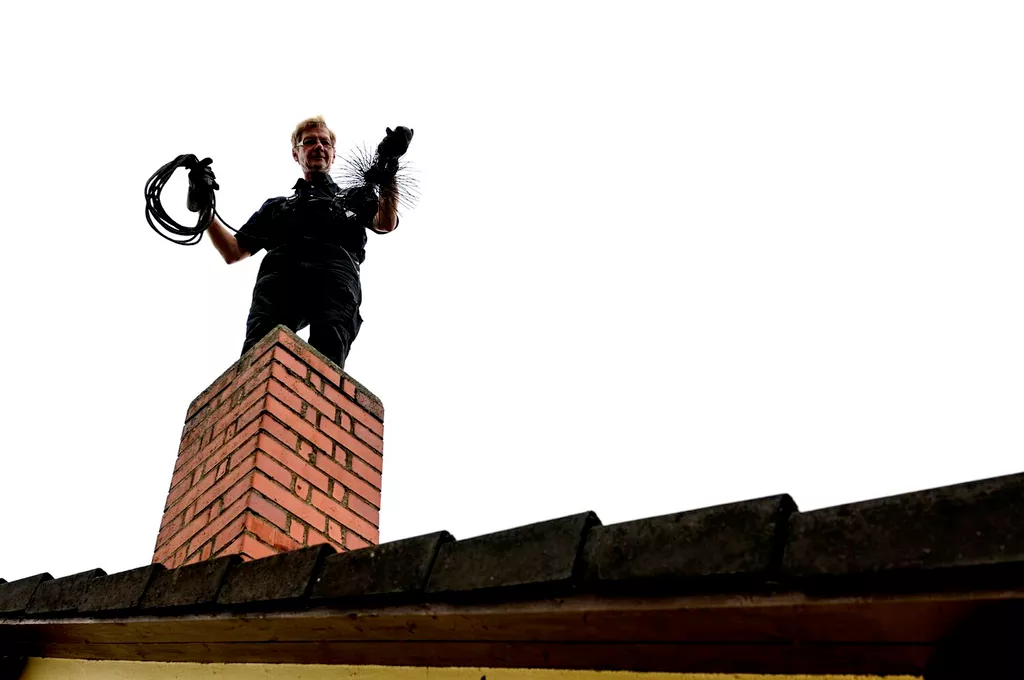
Clean your fireplace and remove obstructions from your chimney.
Hire a chimney sweeping professional for a thorough cleaning.
Also, inquire about a chimney inspection.
As the temperature drops, you might feel tempted to start using your fireplace. Before you do, clean out any soot, debris and creosote to prevent chimney fires.
“Take the time to keep the ashes cleaned out, and make sure there are no obstructions around the exterior of the chimney or a buildup of leaves,” says Brian.
You should also inspect your chimney system to prevent moisture and critters from invading your home. If your chimney crown breaks and cracks, water can enter and damage your masonry, ceiling, and more. A damaged chimney cap may also let debris and animals enter your chimney.
5. Protect your pipes and plumbing.
What to do:
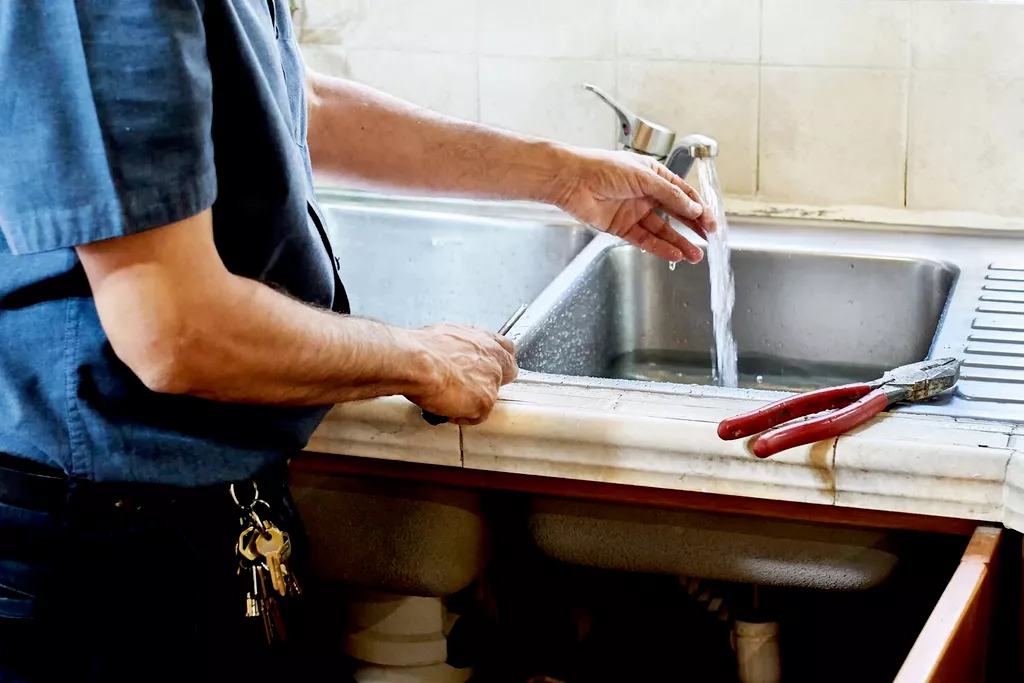
Look for existing leaks and test your water pressure and temperature.
Hire a plumber if you suspect there’s a leak in your pipes or if your water heater is malfunctioning.
Make sure you have easy access to the main water shut-off valve inside or outside your home.
Make sure your pipes are adequately insulated.
Add covers to exterior faucets to protect against freezing temperatures later in the season.
Keep an eye on your water pressure and temperature during the fall. If it’s taking longer for your showers to get hot or if the water pressure is too low, call a plumber. You could have a leak in your pipes, or there might be a problem with your water heater. Either way, hiring a professional to fix these problems before winter arrives is a smart idea.
Also, make sure your pipes are insulated to prevent them from freezing or bursting in colder weather. If your pipes do freeze, shut off the water.
“Homeowners should also make sure they know where the main water shut-off inside the house is located,” says Brian.
6. Rake leaves, aerate the soil, and fertilize your lawn.
What to do:
Rake or mulch fallen leaves.
Fertilize cool-season grass.
Mow your lawn (aim for 2-3-inch height).
Continue to water your lawn.
Consider aerating your lawn.
Caring for your lawn in the fall has two main benefits: improving your home’s curb appeal and maintaining the health of your grass and plants throughout the year.
Because every lawn is unique, you’ll need to understand your grass type and its needs. A local gardener or lawn service company can help you determine if your yard is ready for aeration, fertilizing and other fall lawn care tasks.
7. Cut dead tree branches.
What to do:
Inspect the trees in your yard, especially those closest to your house.
Remove tree branches that appear dead or severely damaged.
Do not attempt to cut down tree branches that are too high or next to power lines.
Fall weather can be unpredictable. If your area experiences a severe storm, the wind can knock down dead branches hanging from your trees and shrubs. And sometimes, a dead branch can fall and damage your roof, fence, shed or another outdoor structure.
Contact a local tree service if you think you need branches or an entire tree removed.
8. Drain garden hoses.
What to do:
Shut off the water.
Disconnect your garden hose and drain it.
Drain the water from the spray nozzle, too.
Gather your outdoor hoses and put them away in storage.
If water freezes inside your hose, it could damage it, and you might need to buy a new hose and bib. Draining your hose can also help prevent freezing pipes as the temperature drops.
9. Insulate and seal your attic.
What to do:
Check each room for a draft and uneven temperatures.
Review energy bills to see if there have been any recent spikes.
Check and measure your insulation levels.
Check for gaps and cracks in your attic (e.g., check the attic hatch).
Without a strong seal, you may experience drafts in your home, increasing the amount of energy needed to keep it warm.
Ensure that your attic is sealed correctly to help you cut down on heating costs in the fall and winter. If drafts are present in your home, install a hatch.
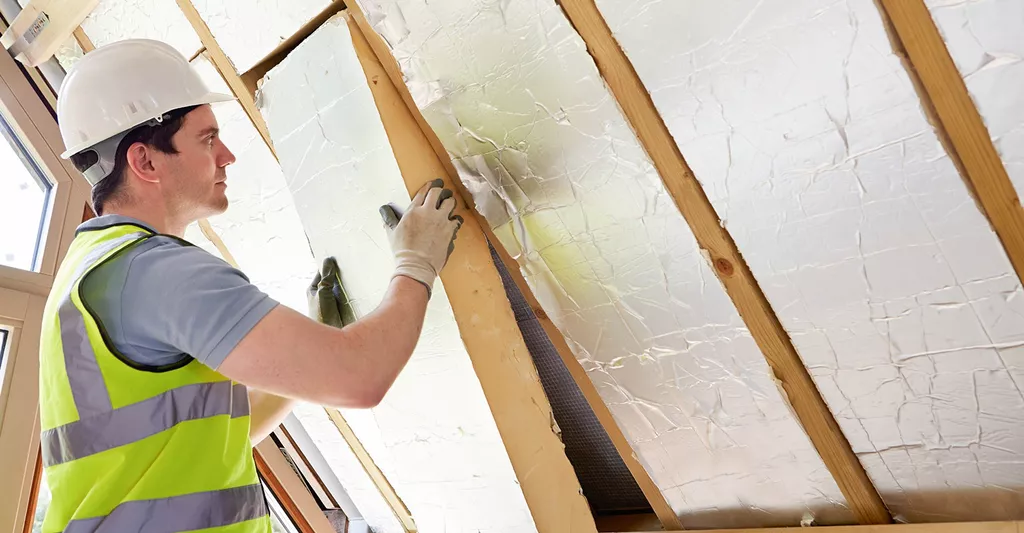
You should also make sure your attic is insulated. If your attic is drafty and your energy bills are high, you’ll likely need to add insulation (or upgrade your current insulation).
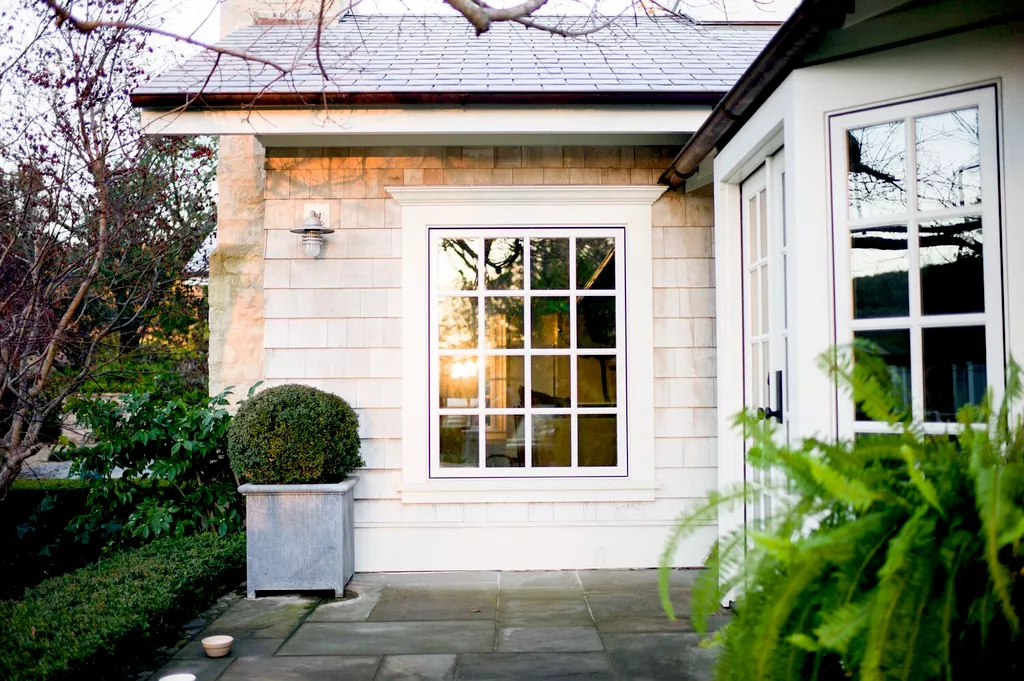
10. Seal and caulk cracks around windows, doors and more.
Check the following areas for gaps and cracks:
Windows
Doors
Ceiling
Baseboards
Attic
Electrical outlets
Foundation seals
Vents
Fans
Cold weather can put a strain on your heating system and lead to higher energy bills. But by preparing your house for the cold, you can avoid wasting precious warm air. Plus, if you don’t seal or caulk cracks, cold air can enter your home and freeze your pipes.
Inspect all weatherstripping in your home, and seal your windows, doors and cracks.
11. Fix or upgrade your exterior lighting.
Inspect exterior lighting around:
Stairs and steps
Fountains and water features
Swimming pools
Patio, deck and porch
Walkways and pathways
Driveway
The days will get darker sooner in the fall. Before it happens, ensure your outdoor and landscaping lights are bright. This will help you prevent falls and slips in your yard, driveway, and other outdoor spaces.
If you decide to upgrade your outdoor lighting or create a festive atmosphere by installing string lights for the holidays, “avoid crossing walkways with cords,” says Brian. “If necessary, attach cords to the ground to avoid a tripping hazard.”
12. Clean your crawl space.
What to do:
Clear out any debris or leaves that are piling up in your crawl space.
Continue to check your crawl space as the season progresses.
Check for any other issues that may involve moisture, mold, pests, insulation, plumbing, electrical wiring and cracks in your foundation.
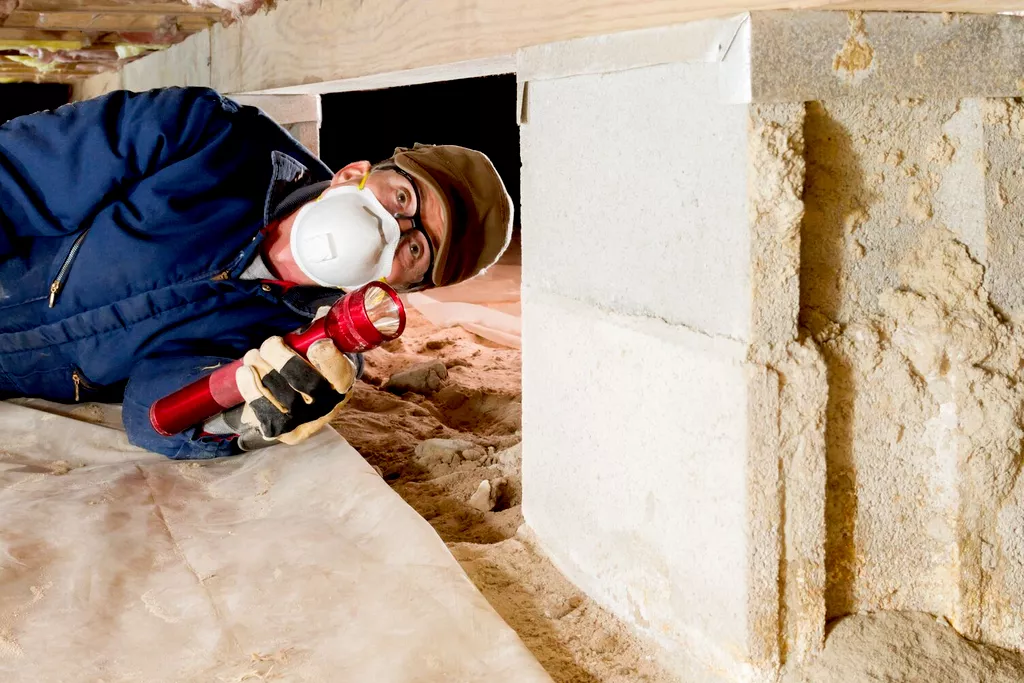
If debris, leaves and construction materials accumulate in your crawl space, it might become susceptible to moisture, mold, cracks, pests and other issues. Consider cleaning it out this fall.
Replace your batteries for your smoke detectors and CO alarms every year.
Ensure smoke alarms are located on every level in your home, outside any sleeping spaces and inside every bedroom.
Ensure CO alarms are installed on each level in your house, as well as outside of sleeping areas.
As we approach the holidays, you might decide to put up decorations (like a Christmas tree) and start using your furnace or fireplace more often. Keep your household safe by double-checking all of your alarms and detectors during the fall.
As summer draws to a close, the local housing market remains somewhat unsettled. This is due to persistently high interest rates that have caused buyers to pause and sellers to hold onto their pandemic-era mortgage rates, as well as low inventory increasing competition for the available listings. Sold home prices in some areas have begun to see year-over-year price increases in relation to the slowdown that hit the market at the end of last year.
Windermere’s Chief Economist Matthew Gardner remarked on this trend. “Historically, the number of homes for sale slows in August,” he said. “Where sales did occur, prices rose between July and August in King and Pierce counties.” Gardner also described these conditions as “very unique times” in the housing market.
While these conditions may be challenging to navigate, sellers are still finding success with correctly-priced listings. New listings are attracting multiple offers and often sell over list price. Buyers who come prepared with strategic offers and a willingness to waive contingencies can break into the market with the guidance of a savvy broker.
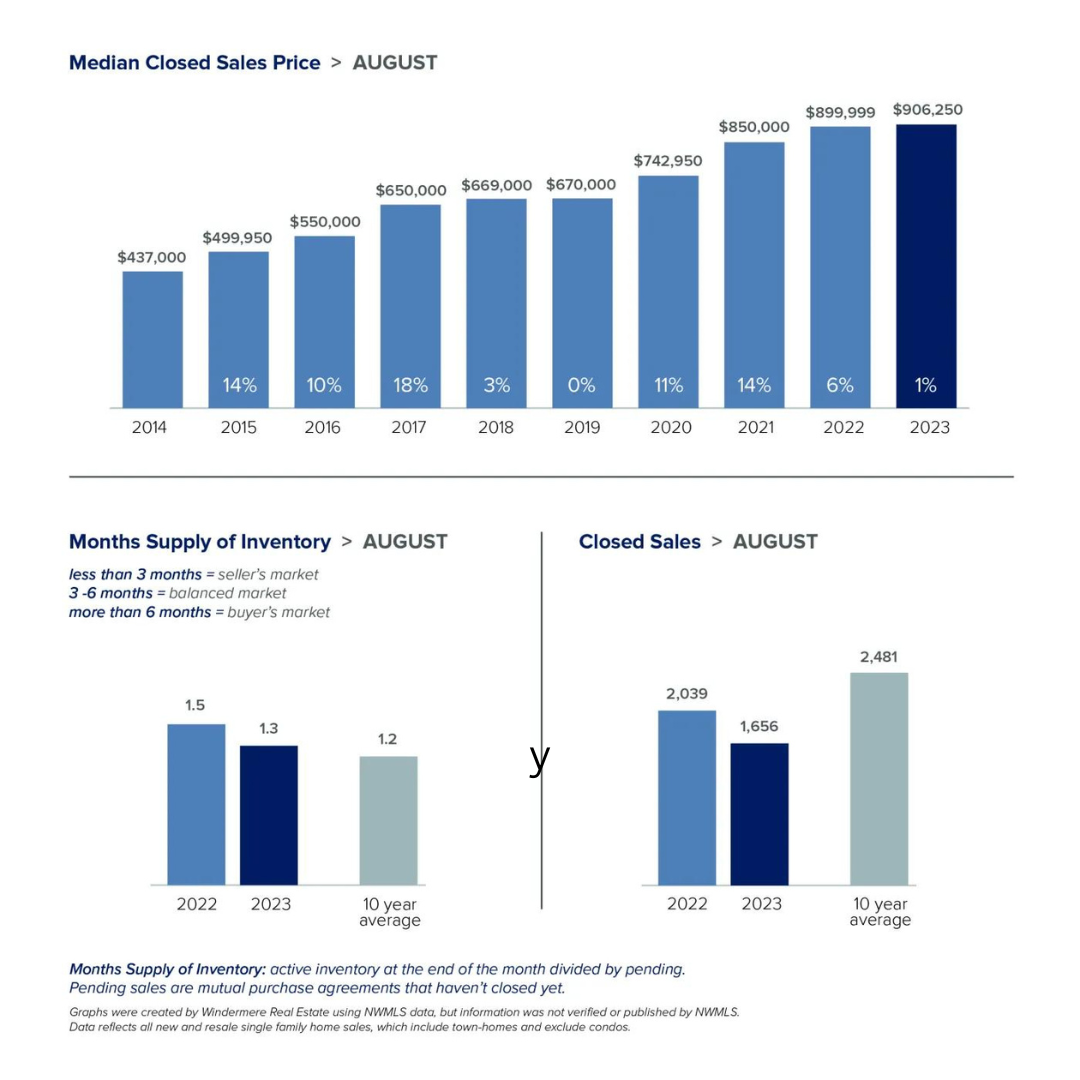
King County was one of the regions that saw year-over-year price gains. The median price for a single-family home rose 0.7% from $899,999 in August 2022 to $906,250 last month. Condos saw even bigger gains, likely due to their better affordability for new homebuyers. The median price for condos in August was $525,000, up 8.25% from $485,000 the same time a year ago.
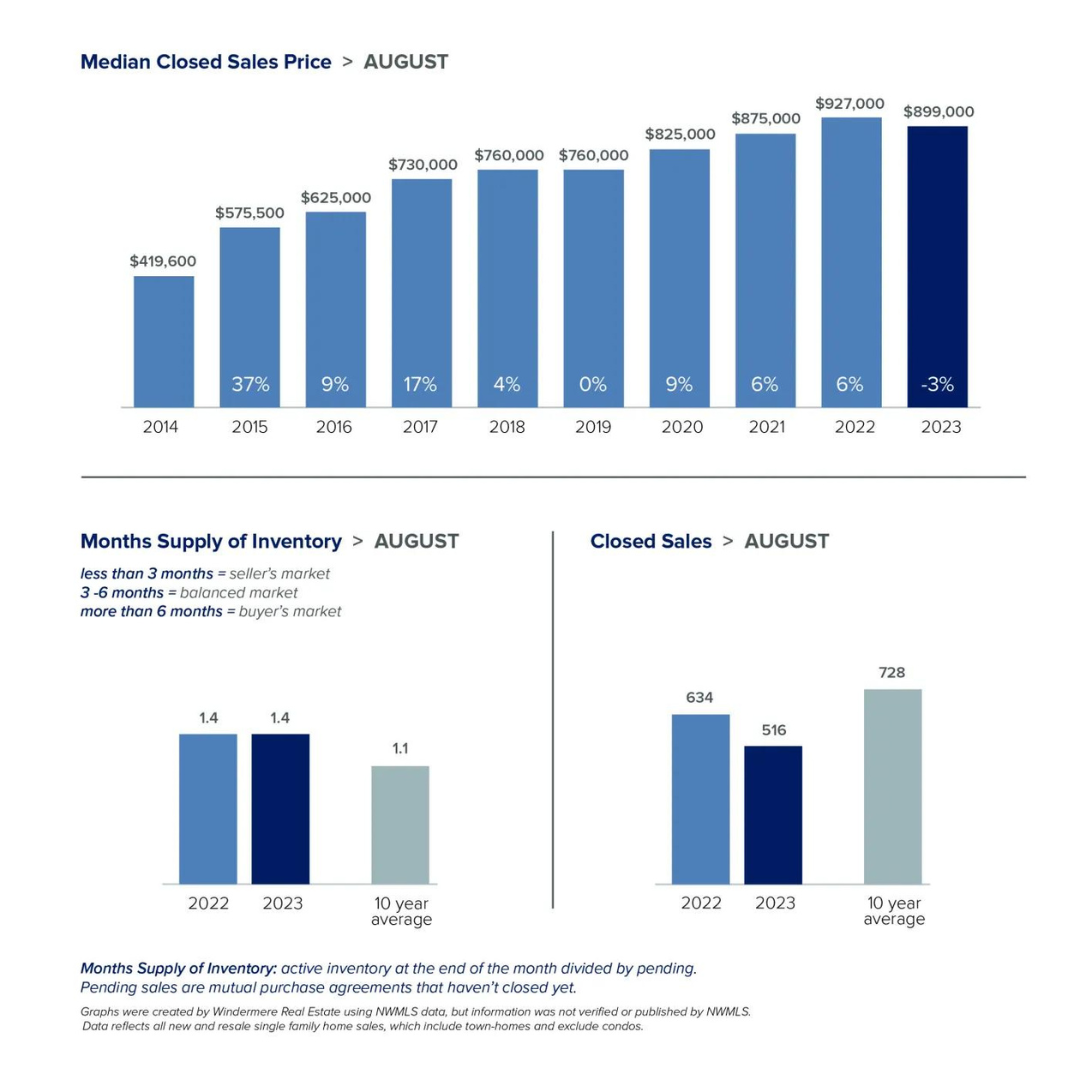
The Seattle market hasn’t quite caught up to its pricing from this time last year. There, the median price for single-family homes in August was $899,000, down about 3% from $927,000 in August 2022. On the other hand, the condo market saw a 10.5% price increase year-over-year, rising from $520,000 in 2022 to $575,000 last month.
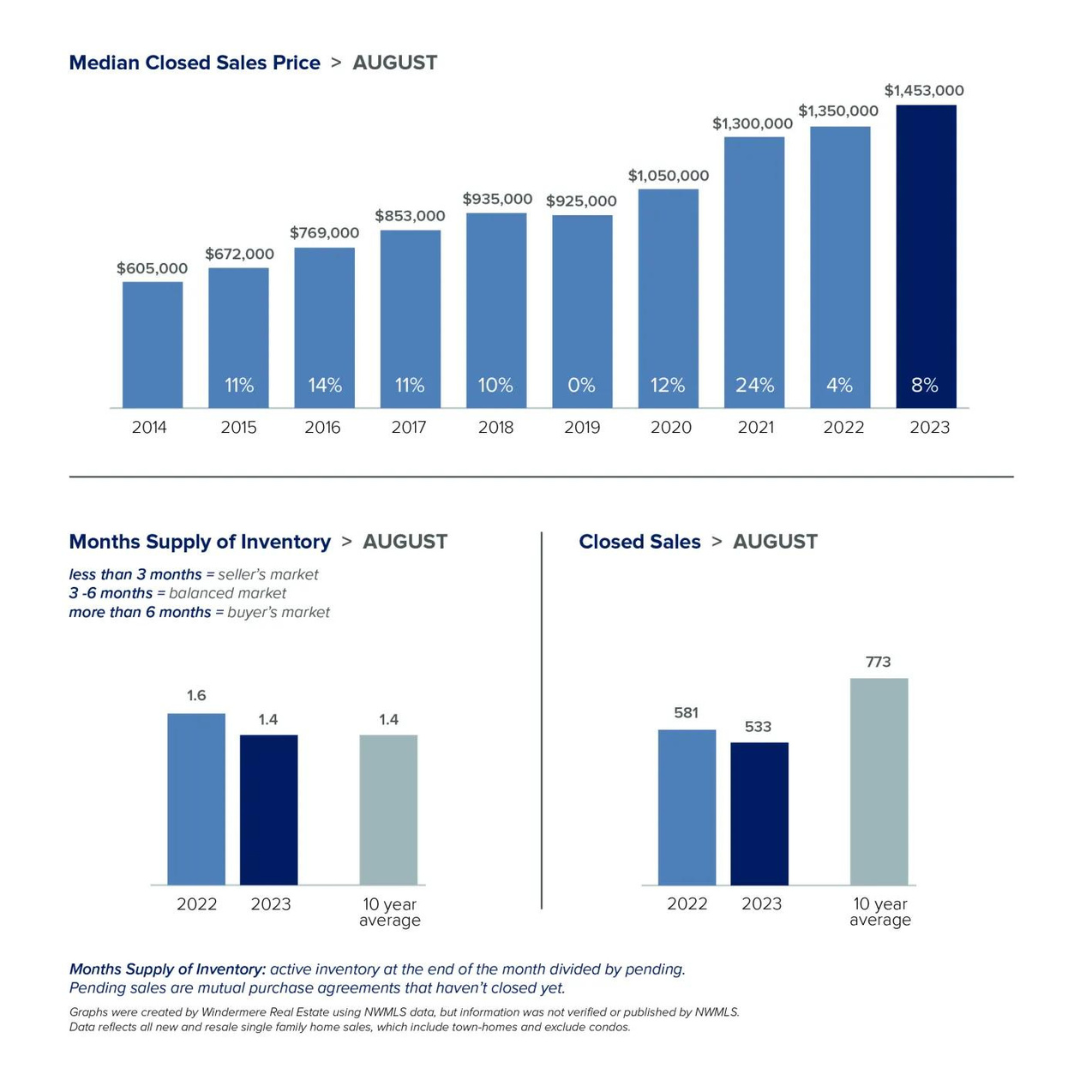
Eastside median sold prices fared better. After a somewhat sluggish summer in terms of pricing, last month the median price for single-family homes rose to $1,453,000. That’s an increase of 7.6% from $1,350,000 in August 2022. Condos in the area also saw price growth, with median sold prices increasing 5.4% from $569,000 last year to $600,475 in August.
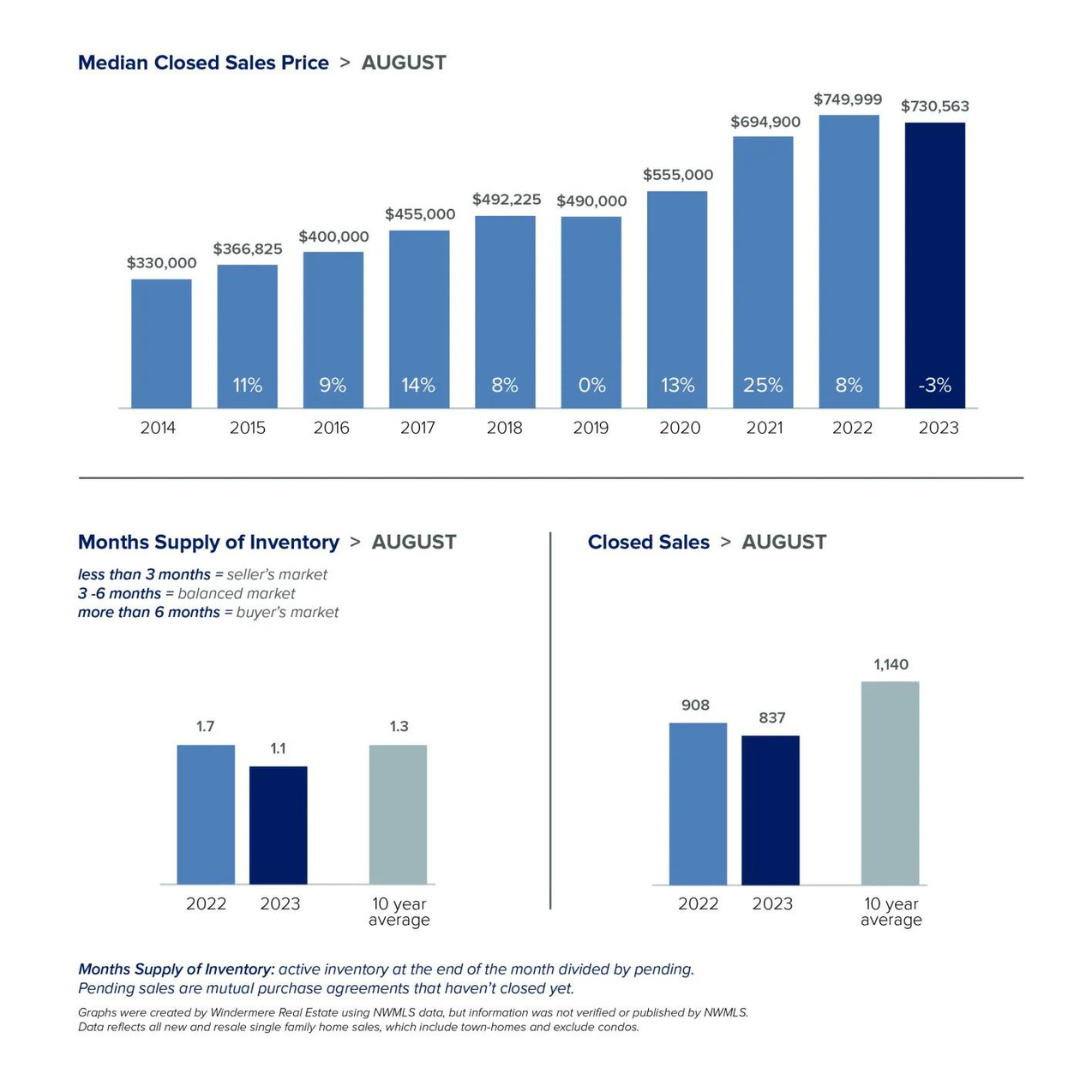
Like Seattle, Snohomish County also hasn’t caught up to its 2022 prices, though this is likely because the county had fewer fluctuations in the last year and may be experiencing the typical end-of-summer slowdown that is common in the housing market. There, the median price for single-family homes was down 2.6% from $749,999 last August to $730,563 this year. The condo market was virtually unchanged in pricing, increasing from $474,999 in August 2022 to an even $475,000 last month.
In all the areas mentioned above, condos generally saw the most notable price gains. This is likely due to their greater affordability for first-time homebuyers and those in the median price-bracket. With interest rates still fluctuating, many buyers are rethinking their plans and may be pivoting to the condo market, thus driving up demand and prices.
Matthew Gardner sees the current real estate market as still “lack[ing] direction,” due to the ongoing interest rate issues. He says “it likely won’t find its footing until mortgage rates start to pull back, which I expect to see as we enter the fall months – and assuming the U.S. economy continues to moderate.”
The remainder of the year will set the tone for how the market looks in 2024. Until then, your Windermere broker can help you navigate these changing conditions and find a strategy that’s best for your buying or selling journey.
The Kari Haas Real Estate Team has a genuine desire to help you achieve your real estate goals while negotiating smartly to protect your best interests. Connect with us today to learn more!
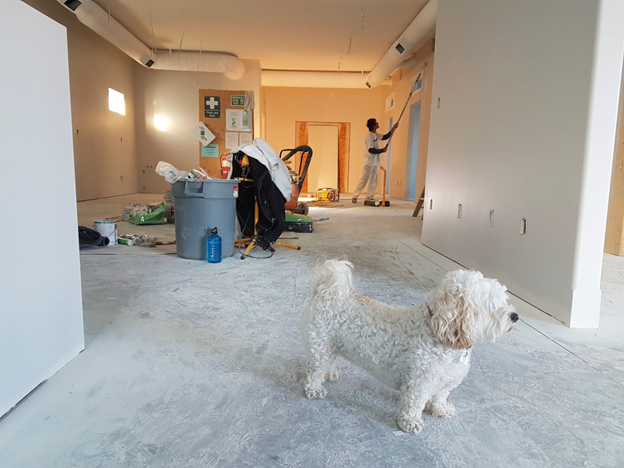
Home renovations can be exciting and rewarding, but they can also be overwhelming. There are so many things to consider when planning one, from the budget to the timeline to finding the right contractors. Today, the Kari Haas Real Estate Team walks you through everything you need to know about home renovations, from start to finish.
Home Renovation Options
There are nearly limitless possibilities when it comes to home renovations. Some common types of home renovations include:
Kitchen renovations: Limitless Renovations points out that a new kitchen can add both value and functionality to your home. When planning a kitchen renovation, be sure to consider the layout, appliances, countertops, and backsplash.
Bathroom renovations: A bathroom renovation is a great way to update an outdated space or add an extra bathroom to your home. When planning a bathroom renovation, be sure to consider the layout, fixtures, tile, and lighting.
Whole-house renovations: A whole-house renovation is a big undertaking, but it can completely transform your home. When planning a whole-house renovation, be sure to consider the layout of each room, the flow of the house, and how all of the spaces will work together.
The Need for a Home Warranty
It’s important to get a home warranty when your renovation is complete. But does the cost of a home warranty pencil out? This type of insurance will cover repairs or replacements of items in your home that break down due to normal wear and tear. This can save you thousands of dollars in unexpected repairs down the road, overriding the initial cost of the insurance itself.
You only need some basic information to determine what the costs are to add a warranty to your home, like the square footage and the plan type you’re interested in. Factor this cost into your overall budget to protect yourself after the remodel.
A Home Office Addition
One popular type of home renovation is adding a home office. With more and more people working from home these days, it’s no surprise that this is a popular trend. When adding a home office, be sure to consider the layout, furniture, and storage needs. And don’t forget about lighting! Make sure your office has plenty of natural light so you can avoid eye strain.
Your Contractor Is Your Ally – Choose Wisely
One of the most important things you can do to ensure that your renovation goes smoothly is to find a reputable contractor. A good contractor will be able to take your vision and turn it into reality while also staying on budget and on schedule. Furthermore, a reputable contractor will be honest and transparent, letting you know if there are any potential problems with your plans. Finally, a good contractor will have a strong team of experienced workers who will be able to complete the job quickly and efficiently.
Clearly Conveying Your Ideas
One of the most important things you can do during a home renovation is communicate your ideas clearly with your contractor (or contractors). Be as specific as possible about what you want — and don’t be afraid to ask questions if you’re unsure about something. After all, it’s your home, and you should love the final result!
Budgeting for Your Home Renovation
One of the most important aspects of any home renovation is budgeting — Houselogic.com notes that you need to know how much money you have available to spend on your project. Estimating costs can be tricky, so be sure to get multiple estimates from different contractors before making any final decisions. You should also factor in unforeseen costs like permits or materials that end up being more expensive than expected.
Take the time to set up a digital filing system. You’ll find that it helps you to keep track of your budget, schedule, contact information, warranties, and anything else that comes up during your renovation. Once you have the files digitized, you can easily combine them using a free merge tool; you can use this to combine PDFs in just five quick steps.
Negotiating a Timeline
Once you’ve settled on a budget and estimated costs, it’s time to establish a timeline and schedule for your project. Be realistic about how long it will take and factor in buffer time for unexpected delays or setbacks. You should also coordinate with your contractor(s) to ensure that their schedule works with yours. The last thing you want is for your contractor(s) to show up when you’re not ready!
Essential Contractor Apps
Last but not least, let’s talk about contractors — specifically, the apps or software they use during construction projects (like yours!). Some common apps or software used by contractors include: project management software, accounting software, communication tools, time tracking software, and scheduling software. These can all lead to a better overall remodel experience.
What If You Decide to Sell?
Once you’ve finished your renovations, you might decide to sell. Or maybe you’ll even enjoy the process so much that you’ll decide to get into house-flipping. Obviously, location matters a great deal, so research your local market to get a feel for how lucrative this new venture can be!
Move Forward with Purpose
Now that we’ve gone over some key things to expect during a home renovation project, you should have some peace of mind as you begin planning your own project. It can seem like a lot, but with the right attitude (and contractor!), you can achieve a successful remodel.
Smoking in the US has hit an all-time low in recent years, but millions continue to smoke to this day. Most smokers in America use around six to ten cigarettes daily. With smoking in public laws becoming much stricter across the country, more smokers are choosing to smoke at home. However, this convenient solution has negative impacts not only on health but on houses as well. Cigarette smoke can linger in the interior of your home, decreasing its value and making it harder to sell. Here’s how smoking can affect a home’s value and how to mitigate this:
Why smoking devalues a home
Persistent stains and smells
Constant smoking in the home leaves behind yellow stains on walls, carpets, and furniture due to cigarette tar and nicotine. This dramatically affects your home’s value as many people would be less likely to purchase a home with an unsightly look from smoking, especially if they will be forced to pay extra for the renovations. The smell of smoke also lingers in rooms for a long time, affecting air quality and the home’s living environment. The build-up of smoke can even get into your home’s ventilation systems and may need to be replaced if too damaged. Potential buyers may not be happy about your home’s condition, which can keep property value low and drive people away.
Health risks
The effects of smoking in your home don’t go away even if you sell the house. Insights from the National Insititute on Drug Abuse highlight that chemical residue from smoking can linger on surfaces even after smoke has cleared; this phenomenon is called thirdhand smoke, and it still poses many health risks to people who may inhale fumes or touch stained parts of the property. These issues can turn potential buyers off from purchasing your home, especially if lingering toxins can complicate existing health issues and affect new house residents. It also takes a lot of time, effort, and money to replace and repair contaminated items, which is both a hassle to you and the buyer and increases the liability of the sale.
How to preserve your home’s value
Try smokeless alternatives
If you still want to get a dose of nicotine in your home while preventing stains and smells from worsening, smokeless and tobacco-free nicotine products like patches, gums, and pouches are a great alternative to cigarettes. Nicotine pouches tucked between the gum and upper lip are one of the newer alternatives to hit the US market, with brands such as ZYN growing in popularity. Prilla’s deep dive into ZYN pouches outlines how they are tobacco-free and are made with food-grade fillers, nicotine salts, flavorings, and artificial sweeteners instead. You also have the option to choose from flavors like mint, citrus, and coffee and pick from different nicotine strengths like 3mg and 6mg to suit your preferences. Nicotine lozenges are similarly new products and are increasingly available on store shelves. Perrigo’s coated mint nicotine lozenges have recently gained FDA approval, allowing for more convenient options to keep your house smoke-free.
Maintain cleanliness
Cleanliness is crucial for any home and keeps stains and smells at bay. While it may not get rid of them completely, routine cleaning will help ensure your house doesn’t get too damaged and devalued. Cleaning your furniture, walls, floors, and ceilings should be done as much as possible; you can use ingredients like white vinegar or dish soap and baking soda solutions to scrub these areas spotless. You can also enlist the help of professionals to get a deeper cleaning now and then. Our Ultimate Spring Maintenance Checklist post notes that checking your HVAC systems and inspecting your windows and doors are good to do every year. However, you may want to do that more regularly if you’re a smoker to ensure these aren’t too damaged.
Quit smoking
Without a doubt, one of the best things you can do for your house and health is to quit smoking. You can clean your home as often as you want, but it won’t be effective if you continue to smoke. By reducing the smoke in the house, you can prevent stain and smell build-up and minimize harmful toxins. These things can stay in a property for a long time, but quitting smoking can ensure you don’t worsen these issues. Kicking the habit also improves your health drastically and will increase the chance of potential buyers purchasing your home.
If you have any questions about maintaining your home and it’s value or how to mitigate smoke damage or other types of damage, give Kari a call. We are here to help!
This post was written by Samantha Wise for the Kari Haas Real Estate Team blog.
This summer’s local housing market is seeing low inventory feed higher prices, putting the squeeze on would-be buyers. June is typically the month where home prices reach their apex, and last month was no exception as King and Snohomish counties’ prices neared the peaks seen during the sugar high of the pandemic market.
Approximately 80% of recent transactions have been in the more affordable and mid-price ranges, which are nearly sold out at the moment. Because of this, multiple offers and offers over list price were more prevalent in June’s closed home sales than at any other point this year.
Windermere’s Chief Economist Matthew Gardner addressed the inventory shortfall. “The number of homes for sale in the Central Puget Sound area in June was down 48% from the same month in 2019 (pre-pandemic),” he said. “I believe much of the reason for this is that almost 33% of in-state homeowners have mortgage rates at or below 3%, and 87% of owners have rates below 5%. There is little incentive to list your home for sale if you don’t have to.”
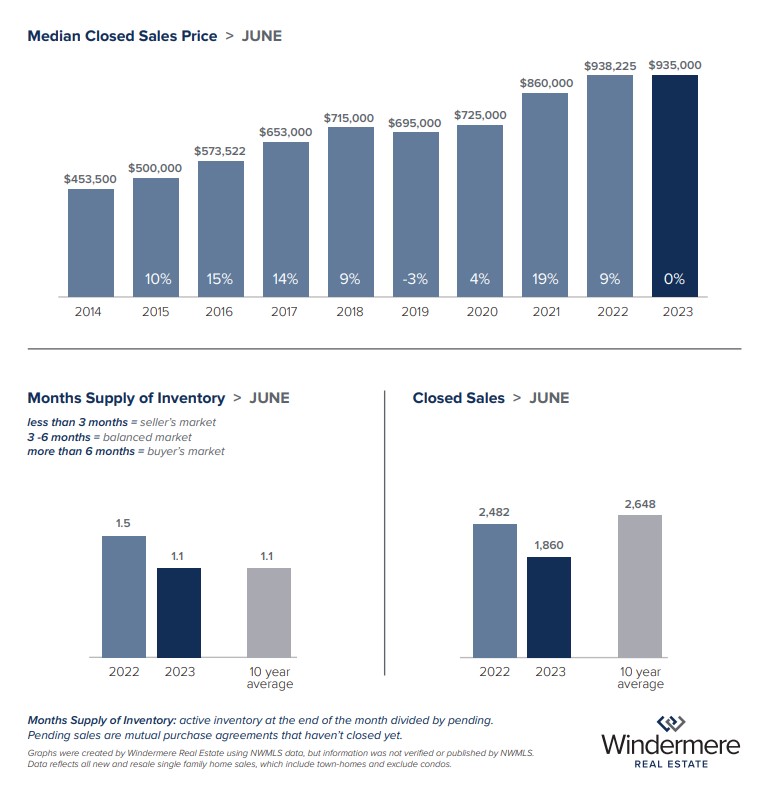
In King County, the median sold price for a single-family home landed at $935,000 in June. This is just a notch below the median price of $938,225 in June 2022. The scarce inventory has caused buyers to compete more aggressively and sellers to list higher, thus leading to comparable peaks as the pandemic market in the summer of 2022. Likewise, condos were up from $525,000 in June 2022 to a median of $529,975 last month.
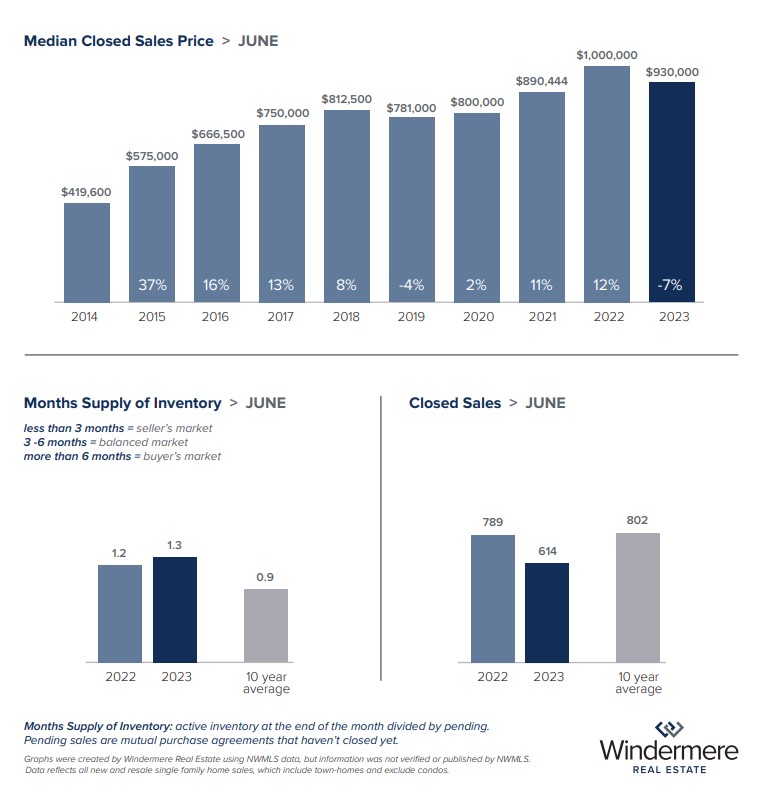
In Seattle, June’s median sold price for a single-family home was $930,000, down 7% from June 2022. Condo prices in the city were up year-over-year, with a median price of $550,000—an increase from $538,700 last June. This jump could be due in part to rising residential prices pushing some buyers into the more affordable condo market.
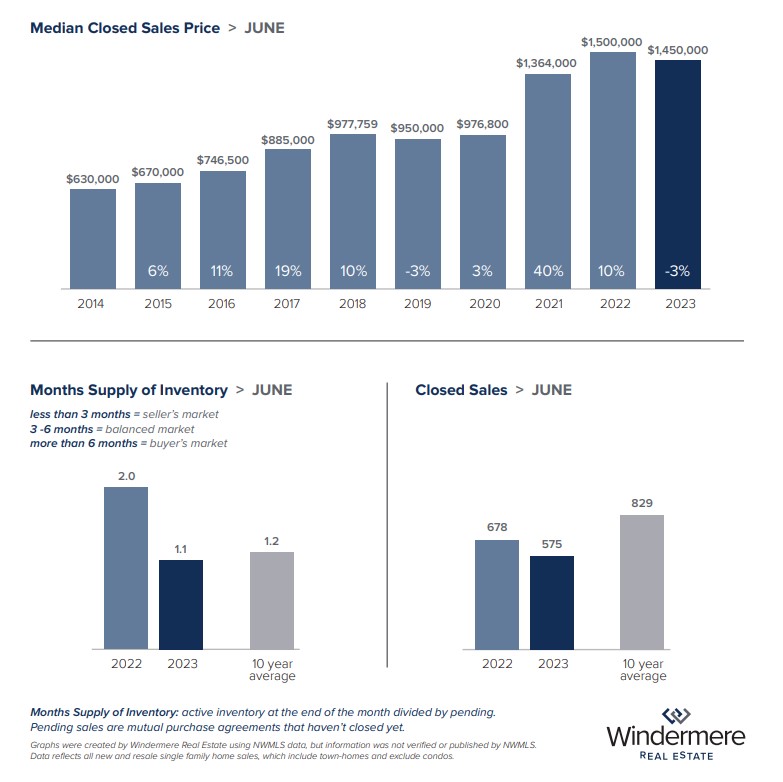
The Eastside, meanwhile, is seeing sales activity slow because of extremely limited supply. The level of new inventory coming onto the market is just 44% of the 10-year average. As a result, median prices have held strong. In June, the median sold price for an Eastside single-family home was $1,450,000, barely off last June’s mark of $1,500,000.
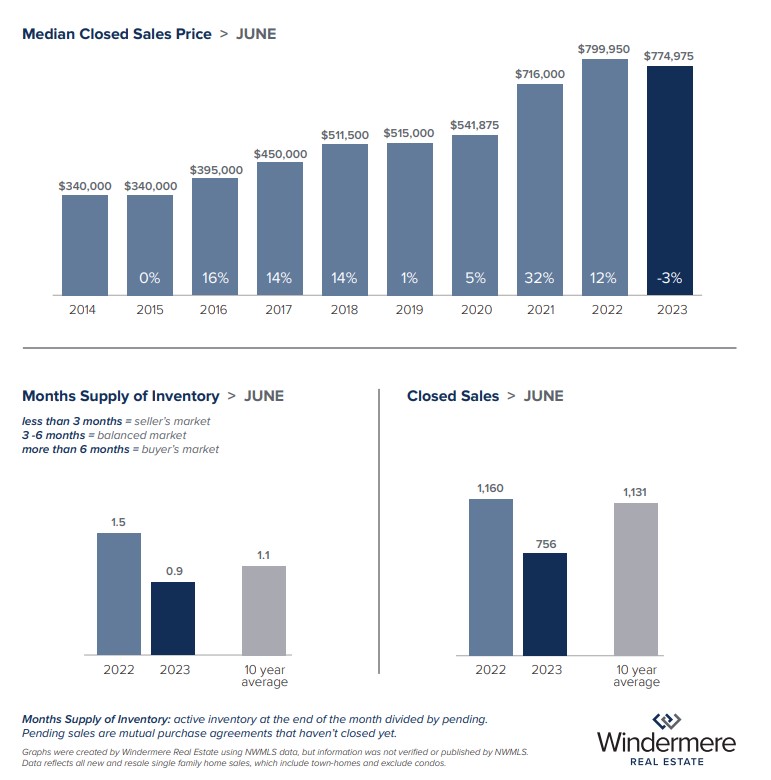
In Snohomish County, the median price for a single-family home last month was $774,975, down from $799,950 in June 2022. Condos actually saw a year-over-year price increase, from $500,000 last June to a median of $506,000 last month. The strength of Snohomish County condo prices is likely tethered to low inventory—there is just over a two week-supply of condo units in the area.
Economist Matthew Gardner notes that “Sale prices in King and Snohomish counties rose for the fifth consecutive month and are only modestly lower than a year ago. It will be interesting to see if this trend can continue given the stubbornly high mortgage rates.”
Despite the high-interest rates and scant supply, buyers who are educated on the market and working with a trusted broker should be able to navigate these changing market conditions. For more information on how you can make the most of your real estate endeavors, reach out to your Windermere broker.
Real estate investors looking to grow their portfolio understand the importance of adopting the BRRRR strategy (buy, rehab, rent, refinance, repeat). While this strategy can be rewarding, it requires a combination of skills, knowledge, and expertise. Here are some tips to help you master the BRRRR approach.
Up-And-Coming Areas
Choosing the right location is crucial when it comes to real estate investing. As a BRRRR investor, focusing your search on up-and-coming areas will cause the property to appreciate as you work on it. The best thing about up-and-coming areas is that they are affordable and offer great potential for growth and development. Identifying these areas early on can be the difference between a profitable investment and a failed one.
Undervalued Properties
The next step is to look for undervalued properties with the potential for appreciation. You want to find properties that are sold below market value but have the potential to increase in value after renovations. Doing so ensures that you get the best profit possible. Keep in mind that the key to finding undervalued properties is research, persistence, and patience.
Choosing Renovations
Once you’ve found the perfect property, the next step is to start making renovations. However, budget constraints can cause you to run out of funds before completing the project. To minimize this risk, focus on renovating the most valuable and necessary aspects of the property first.
Digitizing Paperwork
Real estate investment involves managing a lot of paperwork, which can be overwhelming if you have multiple properties. However, digitizing your documents into PDFs and storing them in the cloud is an effective solution. Digitization saves space, reduces clutter, improves security, and makes it easier to retrieve documents when you need them. If you use a PDF file converter, you can streamline your real estate investment process and focus on growing your portfolio.
Timeline and Budget
Time and budget are crucial factors when it comes to real estate investing. As a BRRRR investor, it’s essential to be mindful of your timeline and budget. You want to ensure that you complete the project on time and within budget. Running over budget or taking too long to complete the project can eat into your profits.
Understanding the Local Real Estate Market
Having a solid understanding of the local real estate market is key to making informed decisions when investing. You need to know when the right time to sell is, what properties are in demand, and what features buyers are looking for. A good way to stay informed is by networking with local real estate agents, attending industry events, and following market trends online.
Market Effectively
The final step is to market the property effectively. You want to attract as many potential buyers as possible to increase your chances of selling quickly and at a good price. Effective marketing involves professional photography, virtual tours, detailed descriptions, and listing your property on reputable real estate websites. The more exposure your property gets, the higher the chance of finding the right buyer.
In conclusion, mastering the BRRRR strategy requires a combination of skills, knowledge, and expertise. By focusing your search on up-and-coming areas, looking for undervalued properties with potential for appreciation, keeping all paperwork digitized, and more, you can increase your chances of success as a BRRRR investor.
When you’re ready to purchase a home, contact the Kari Haas Real Estate Team for exceptional service and local expertise.
The more frenetic activity of a typical spring real estate market has certainly hit our area, with buyers out in droves looking for homes. What they’ve found, however, is high competition and scant listings. The region’s low housing inventory has been a constraint that has resulted in fewer closed sales than we’ve seen in recent spring markets.
According to real estate experts, housing supply and interest rates are the defining obstacles for buyers at the moment. On the Eastside, active inventory is only 32% of the 10-year average, and new listings are off 34% year-to-date. This is driving prices up, while interest rates put a damper on what buyers can afford. While recent demand has been strong, experts expect that demand will taper off as interest rates approach the 7% mark.
However, because inventory is so scant, sellers who adequately price their homes are seeing success in this market. As an example, around 44% of properties on the Eastside are selling above their asking price, at an average of 5% over list. Anecdotally, the homeowners who are most likely to sell at the moment are those who purchased before the historic low-interest rates of the pandemic or have paid off their homes and are thus mortgage-free. Buyers in this market also have some negotiating power, having successfully negotiated pre-inspections, homeowner warranties, and seller-paid closing costs to mitigate the high rates.
In King County, with just shy of one month’s inventory, competition in the area is fierce, and buyers will need to be ready to negotiate when the right listing comes along. The county’s median sold price for a single-family home dropped almost 9% year-over-year, from $998,888 in May 2022 to $910,000 this year. However, that’s still an increase from April’s median of $875,000.
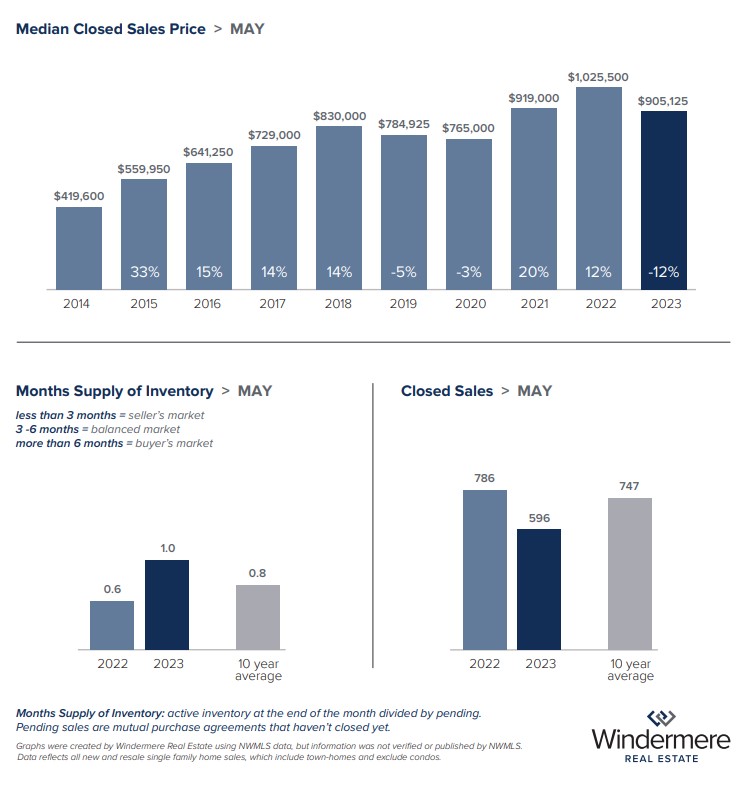
Seattle had a similar low inventory, at one month’s supply. The median sold price for single-family homes rose from $886,000 in April to $905,125 last month. While there’s been continued monthly price growth so far this year, May’s median sold price was still down 11.7% from the median of $1,025,500 in May 2022. Although residential inventory is tight, buyers in the city may have more luck with condos, which are both more affordable and plentiful. The Seattle condo market currently has almost two months of inventory and a more reasonable median price of $550,000.
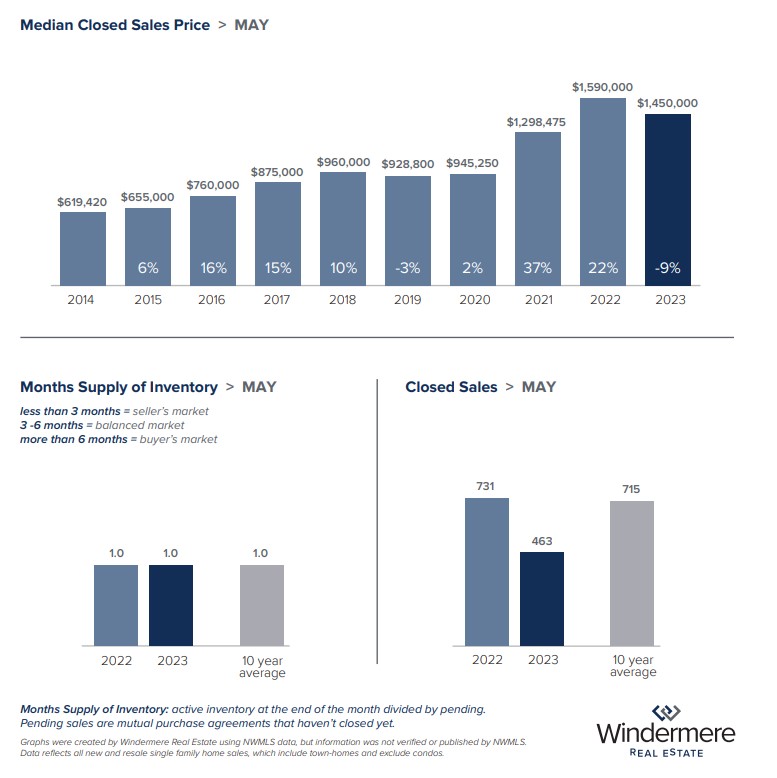
Like Seattle, the Eastside has just one month of inventory at the moment. However, higher interest rates are being felt a little more in this pricier area, as May’s median sold price for a single-family home did not change from April’s median of $1,450,000. This is down 8.8% from the median of $1,590,000 in May 2022. The supply of Eastside condos is lower than the residential supply, with just .8 months’ inventory. At a median sold price of $582,000 last month, condos may be a slightly easier path to homeownership for those searching on the Eastside.
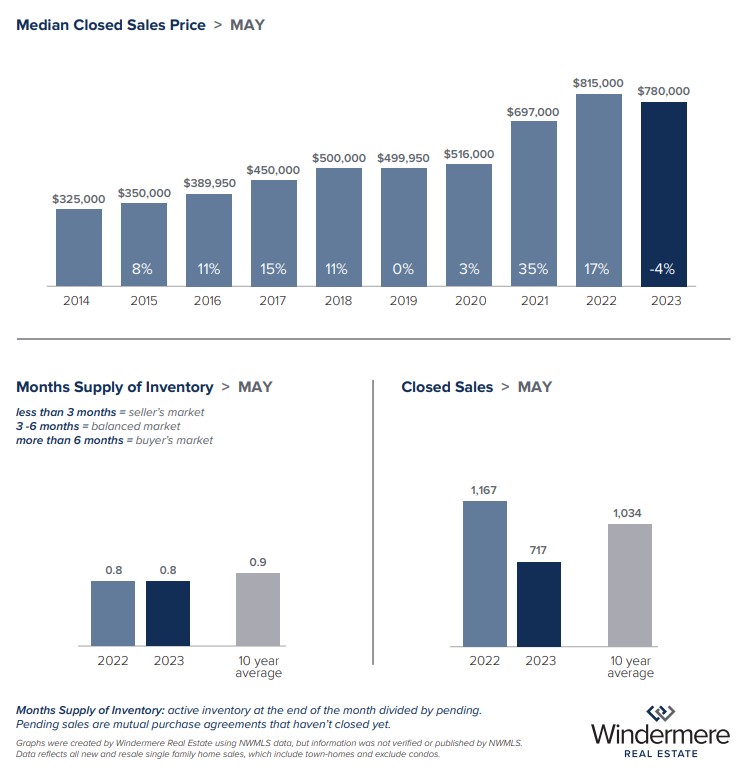
Finally, Snohomish County saw month-over-month price gains in May, landing at a median sold price of $780,000 for a single-family home, up from $767,500 in April. May’s median price was down 8% from $782,000 in May 2022. The county’s more affordable price points may allow for better appreciation in the area, despite the continued higher interest rates that have stifled other local markets. With just two weeks of inventory, the Snohomish County condo market is the tightest regional market at the moment. The median price for condos in the area is $544,900, down less than 1% from $550,000 in May 2022.
As buyers and sellers navigate continued low inventory and high-interest rates, they both must be comfortable negotiating terms to achieve the best possible outcome. Buyers should be ready to move fast and bring as much cash as possible, while sellers should be cognizant of the burden higher rates can create and price their listings accordingly.
If you have questions about these housing market trends or real estate, please give the Kari Haas Real Estate Team a call.

 Facebook
 X
X
 Pinterest
 Copy Link




 What to do: